ARCOMATIC PRV DIAGNOSTIC PROTOCOL
Post Mold Remediation Verification (PRV) Testing
The process of mold removal is just a small part in the overall mold recovery process. It starts once the mold problem has been identified. After removing visible mold and moldy objects, an important question that property owners ask is how will they know that the mold problem has been resolved? The answer is through Post Mold Remediation Verification (PRV) testing.
Post Mold Remediation Verification (PRV testing) is an in-depth inspection and testing process conducted following the completion of remediation work. It is used to assess whether or not mold cleanup has succeeded, and whether the indoor environment has been restored to acceptable conditions. PRV testing offers an independent evaluation of the remediation process and will help to make sure that there is no hidden contamination or residual airborne mold spores.
PRV testing offers peace of mind for homeowners, property managers, real estate professionals, and business owners that they can breathe easy and know a property is safe and that remediation objectives have been met.
DIAGNOSTIC DEFINITION
What exactly is Post Mold Remediation Verification (PRV) Testing?
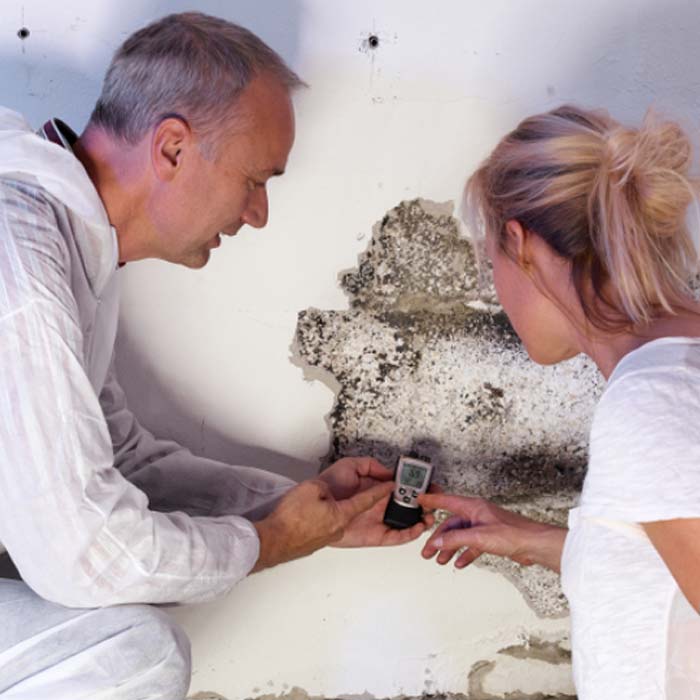
Post Mold Remediation Verification is an independent inspection after the mold remediation and prior to rebuilding or reoccupying the remediated space. The testing process is used to confirm that the mould problem is resolved and a successful remediation has taken place.
PRV testing is not just to see if mold is present. Mold spores are present naturally in the air in most homes and buildings. Rather, the objective is to decide if the fungi have restored to their normal ecology in the interior environment. Furthermore, it also tells if indoor levels of mold are similar to normal background levels.
PRV testing is frequently the last step in getting a mold remediation project done.
Dynamic Threshold Target
Clearance requires establishing that indoor spore levels correlate tightly with background control levels.
Normal Fungal Ecology
98%
Relative Particle Clearance
100%
Why PRV Testing Is Important?
Numerous mold issues manifest themselves on the interior of surfaces. Mold can form in wall cavities, under flooring, HVAC systems, under cabinets and in hidden moisture prone areas.
There are several problems that can go undiagnosed if no verification testing is done:
- Hidden mold growth
- High levels of mould spores in the air
- Incomplete remediation
- Residual contamination
- Transfer of contamination from affected areas.
- Conditions of moisture that may promote future growth
PRV testing can aid in the detection of these problems before reconstruction.
Advantages of PRV testing
Post-verification creates solid objective metrics to guarantee that the remediation process meets strict environmental standards.
Advantages of PRV testing are:
- Verifies mold remediation is successful
- Checks the indoor air quality conditions
- Identifies remaining contamination
- Fills out insurance paperwork
- Assists with the business of real estate transactions
- Assists in minimizing potential future mold issues
- Provides comfort to occupants
Protects property structures, ensures real estate compliance, and secures occupant health.
TACTICAL DEPLOYMENT TIMING
When is it best to conduct PRV Testing?
Remediation should be followed by a PRV test and not be preceded by reconstruction or rebuilding. Typical situations include:
Scenario 01
Water damage restoration projects
Mold can develop when water enters the building through leaks, sink hoses, roof leaks, flooding or storms, and needs to be remediated and verified.
Scenario 02
Molds on a large scale.
When extensive mold growth is found in drywall, insulation, framing, flooring or HVAC systems, it is best to have it professionally inspected.
Scenario 03
Real estate transactions
PRV testing is a frequent request from buyers and sellers to verify remediation quality and property conditions.
Scenario 04
Commercial properties
Post-remediation documentation may be required for office buildings, schools, health care facilities, retail properties, and multi-unit properties.
Scenario 05
Occupant health concerns
If there is a concern about indoor air quality before the remediation, you may want to have verification testing.
TESTING FRAMEWORK
How is PRV Testing Done?
There are usually several stages of post remediation verification which are used to check the cleanliness, moisture and airborne contaminants.
1. Visual Inspection
The first process is a detailed visual inspection of the remediated area.
Inspectors evaluate:
- Remaining visible mold
- Dust and debris
- Water staining
- Material conditions
- Structural concerns
- Evidence of incomplete cleaning
Remediation areas should be uncontaminated and clean.
2. Moisture Assessment
One of the most critical factors for mold growth is moisture.
Inspectors may use:
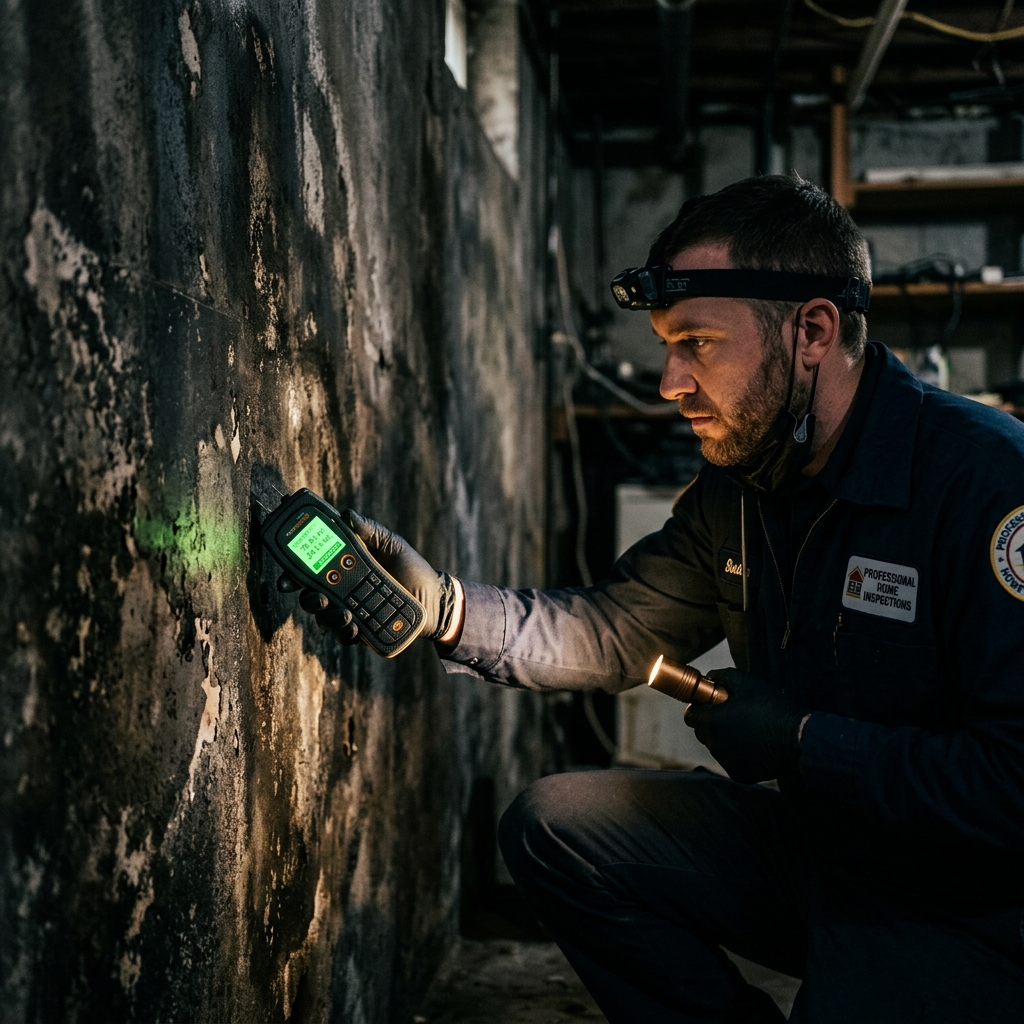
- Moisture meters
- Thermal imaging cameras
- Hygrometers
- Infrared equipment
The aim is to detect the moistures that may promote the growth of mold.
3. Air Sampling
Air quality testing is usually done to compare indoor and outdoor mold spore levels.
Air samples can be used to assess:
- Airborne spore concentrations
- The types of mold present
- The indoor–outdoor fungal balance:Indoor–outdoor fungal balance
- Remaining contamination concerns
Specialized sampling equipment is used to collect the sample and it is delivered to certified laboratories for analysis.
4. Surface Sampling
Surface sampling may be suggested when concerns are still present regarding the contamination of certain materials or possible contamination that cannot be seen.
Methods can include:
- Tape lift samples
- Swab testing
- Bulk samples
Surface testing can be used to determine if mold is still present after remediation.
5. Clearance Evaluation
Inspection findings and laboratory results will be reviewed to determine if the remediation project resulted in acceptable conditions.
More cleaning or remediation may be suggested if contamination has been found to be higher than is expected.
CLEARANCE THRESHOLD MATRIX
Common Clearance Criteria During PRV Testing
In general inspectors assess:
No mold growth was seen.
No excess dust or dirt
Dry building materials
Water content in acceptable limits
Mold levels are considered normal if they are in the air.
There is no evidence of water intrusion that has not been resolved.
Remediation should include both moisture control and removal of contaminants.
Does mold recur post mould remediation?
Yes. While mold remediation can eliminate the mold, if the moisture source is not addressed, mold can reappear.
The most frequent reasons for a recurrent mold infestation are:
- Plumbing leaks
- Roof failures
- Foundation seepage
- HVAC condensation issues
- Humidity problems
- Flooding events
Sometimes, moisture issues that have not become bigger problems will become apparent through PRV testing.
AIR ECOLOGY DIAGNOSTICS
Testing and indoor air quality by PRV.
Indoor air quality is a major concern following mold contamination. Mold spores can be carried in the air and cause problems in the indoor environment and comfort.
PRV testing can be used to help determine:
- Airborne particle conditions
- Fungal ecology
- Environmental cleanliness
- Contamination levels
It is particularly important in:
- Schools
- Medical facilities
- Commercial buildings
- Multi-family housing
- Structures that had previously had mold problems.
THIRD-PARTY VERIFICATION
Who does the Post Mold Remediation Verification?
Independent mold inspectors or environmental consultants or indoor environmental professionals usually conduct PRV testing.
Third-party testing is often desired because it offers an objective record of testing in addition to the company that performed the remediation.
Independent assessments can enhance the possibility of avoiding conflicts of interest and increase confidence in results.
How Long Does PRV Testing Take?
The time required for testing depends on:
01
Property size
02
Extent of remediation
03
Number of samples
04
Laboratory turnaround time
SUMMARY ASSESSMENT
Final Thoughts
Post Mold Remediation Verification testing is a critical last step after mold remediation projects. Mold removal focuses on the mold visible in the house, while PRV testing is used to check whether the removal job has been successful, and that the indoor environment is now acceptable.
If not verified, hidden contamination or unaddressed moisture issues may go undetected and result in future issues. PRV testing can be completed through visual inspection, moisture assessment, air sampling and surface testing to help better understand conditions if remediation has taken place.
Homeowners and businesses can rely on Post Mold Remediation Verification to ensure that they have a restored property that is safe for re-occupation or reconstruction.