Mold Removal & Remediation
We seal the area, remove the affected material, clean what stays, dry it, and document the work. Residential and commercial properties across the Treasure Coast since 2019.
When remediation is the right step
Removal is warranted when material is affected and cannot simply be cleaned — and when the moisture that caused it can be corrected. If either is not true, we will say so.
Affected material
Drywall, insulation, carpet, padding or timber that has taken on moisture and growth, where cleaning the surface will not resolve it.
A defined scope
Ideally a written protocol from an independent assessor, so the work has an agreed boundary and a way to be checked afterwards.
A fixable water source
A leak, a failed seal, condensation or drainage that can be corrected. Removal without correcting the water is temporary.
How a remediation runs
Every project differs, but most follow this order. We will tell you before we start which steps apply to yours and roughly how long each takes.
Containment
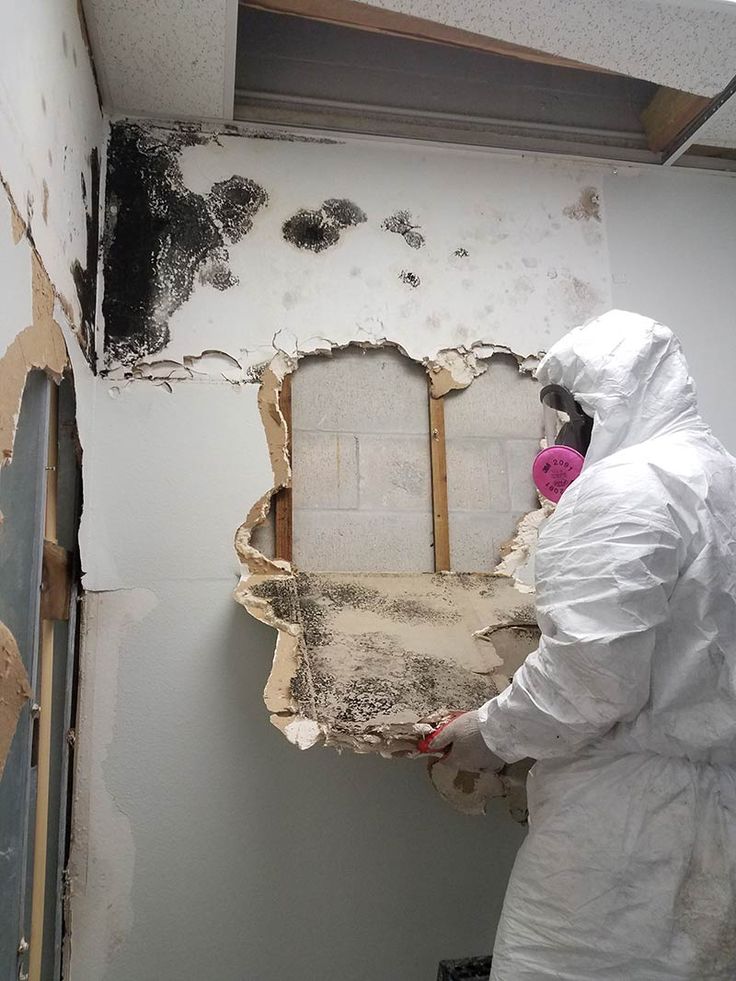
The affected area is sealed off before anything is disturbed, so what is released stays in the room being worked on.
Air control
Negative air machines with filtration draw air out of the contained area rather than pushing it into the rest of the property.
Material removal
Affected material is cut out, bagged inside the containment and disposed of, so it is not carried back through the building.
Cleaning & drying
HEPA vacuuming and wiping of the exposed structure and salvageable contents, then drying the area before anything is closed back up.
HVAC
Where the system served the affected area, ducts and air handlers are cleaned — otherwise the system can move what you have just removed back through the property.
Contents
Hard surfaces and many contents can be cleaned. Porous items that absorbed moisture and growth often cannot, and we will tell you which is which rather than clean something that should be replaced.

Removal does not fix a leak
Remediation deals with the material. It does not repair the roof, the plumbing or the drainage that let water in. If the water source is still there, growth can return — and no remediation company can promise otherwise.
We look for that source as part of the work and tell you plainly what needs correcting, including when it needs a different trade. You are better served knowing that up front than discovering it in six months.
Two routes, and we only take one per project
You already have a protocol
If an independent assessor has written a scope, we carry out the remediation to it under license MRSR3880. Our project manager reviews the protocol with you and schedules the work.
You need the assessment first
We assess under license MRSA3298 and give you a written protocol to take to a remediation contractor. On that project the removal is carried out by someone else.
Why not both
The company deciding how much work is needed should not be the company paid to do it. Florida licenses the two activities separately for that reason. We hold both licenses, and we take one role per project.
Post-remediation verification
When our removal work is finished, verification is carried out by a third-party assessor — not by us. That is the point of it: the check is only meaningful if the people who did the work are not the people marking it.
If an area does not pass, we go back and redo it. Verification tests the areas that were worked on against the agreed scope; it is not proof that a building contains no mold anywhere, and nobody can produce that.
Remediation questions
How long does remediation take?
It depends on the size of the affected area and the materials involved. A single bathroom wall is a different job from a whole floor after a flood. We give you an expected timescale before starting and tell you if it changes.
Can we stay in the property?
Often yes, because containment limits the work to one area. We will tell you before starting which rooms are unavailable and for how long, and we will say if we think you should be out for part of it.
Will the mold come back?
It can, if the moisture source is not corrected. That is the honest answer. Removal deals with the material; the leak or condensation problem has to be fixed separately or the conditions that caused it still exist.
Do you guarantee the mold is completely gone?
No, and we would be cautious of anyone who does. What we can do is remove the affected material to an agreed scope, clean and dry the area, document the work, and have it independently verified.
Do you do the testing afterwards?
Not on a project we remediated. Post-remediation verification is carried out by an independent assessor, which is what makes it worth having.
How do I check your license?
Search MRSR3880 at MyFloridaLicense.com. It is held by Mauricio Gutierrez and is current.
Have a protocol, or think you need one?
Call or email with what you have — a report, a photo, or just a description — and we will tell you which route applies to your project.
Online requests are temporarily unavailable
We are rebuilding our online request system. Phone and email are the quickest ways to reach us, and both are answered.
- Phone
- (754) 703-8317
- License
- Mold Remediator MRSR3880